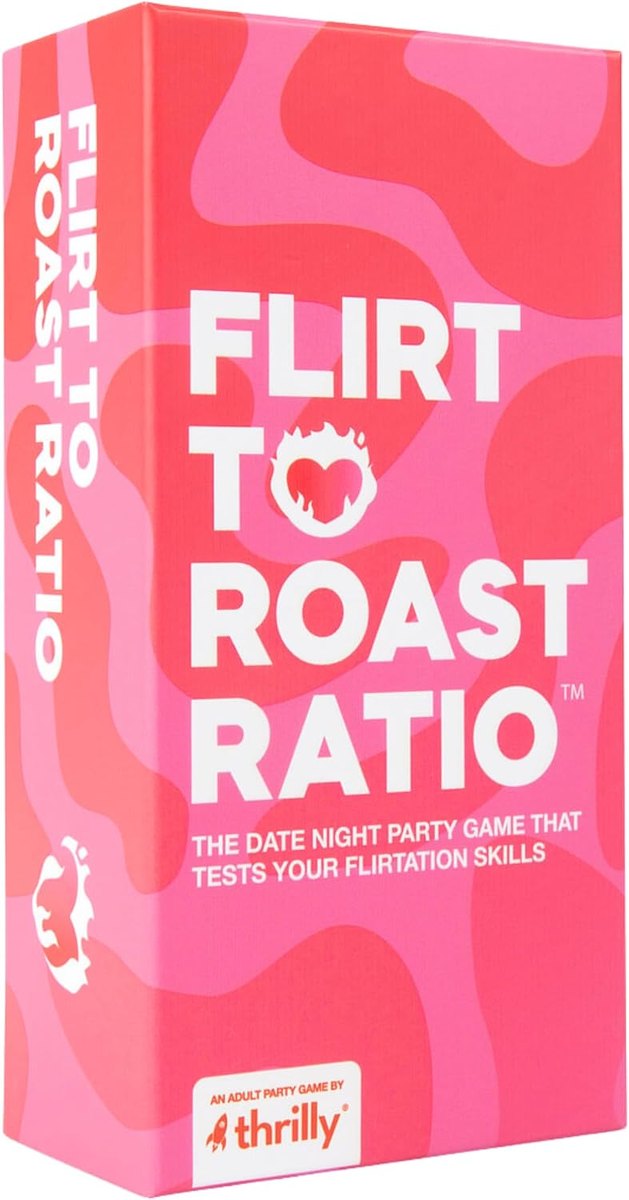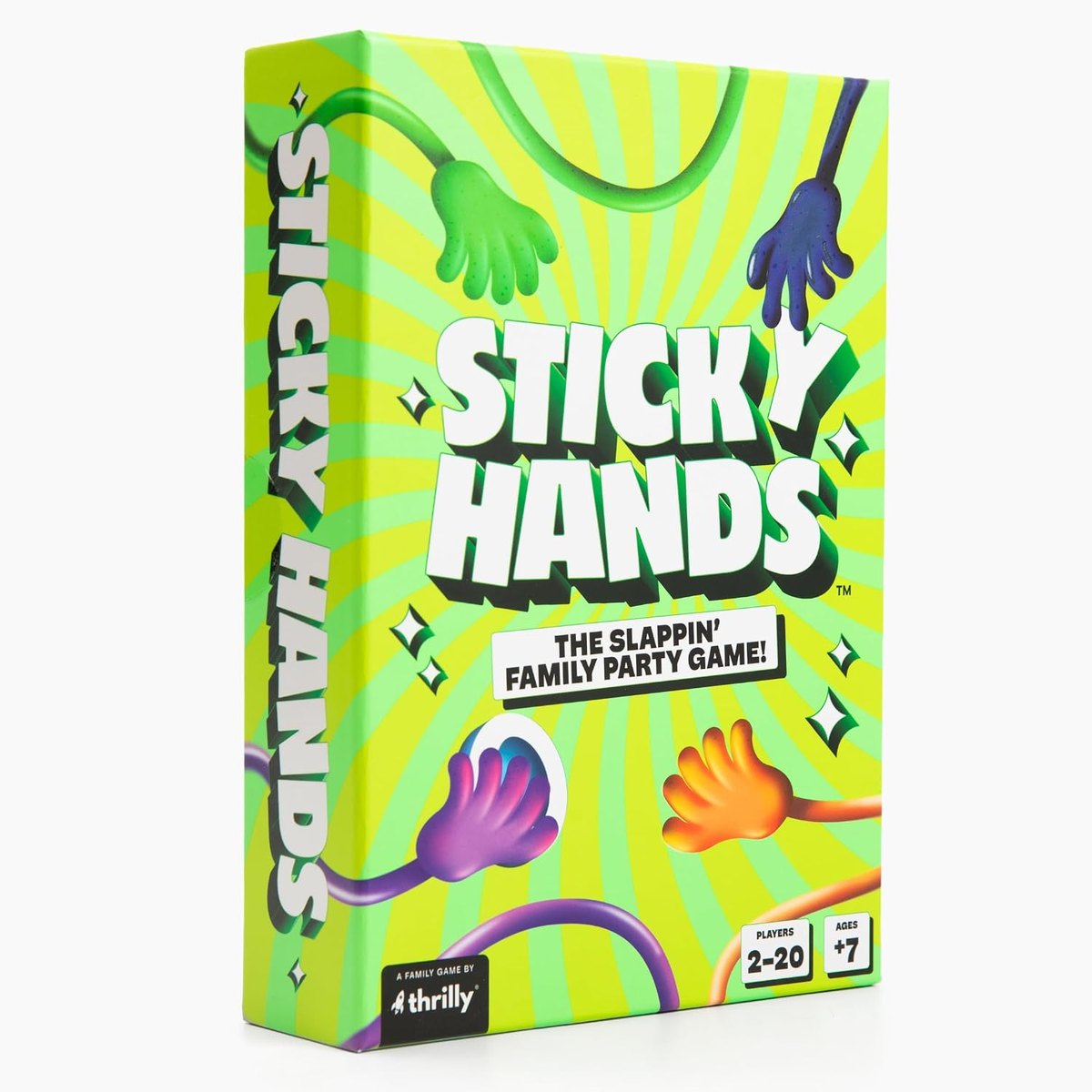


Two players
Most party games quietly break at two. The format depends on a judge choosing between submissions, and with two people there is nothing to choose between. The games that genuinely work for a pair replace the judge with a target: a hidden number, a secret card, something neither player controls.
That is why our date night box scores against a concealed rating rather than against each other’s taste. Both players are guessing at the same hidden thing, which gives a pair the competition that a crowd usually supplies. If you want a two-player evening, look for that structure rather than for the word “couples” on the lid.
Three to five players
This is where fill-in-the-blank decks start working. Three is the technical minimum — one judge, two submissions — and four or five is where it gets genuinely good, because the judge has a real decision to make and the table can start playing to a specific person’s sense of humour.
Bluffing and deduction games want the upper end of this band. With three players a liar has nowhere to hide; with five, the accusations start to be interesting. If your regular group is four, this is the most productive band in the hobby and nearly everything is built for you.
Six to twelve players
Turn-taking becomes the enemy. In a group of ten, a game where each player thinks quietly and then speaks means nine people waiting. Judged decks still work because everyone submits at once, and they get funnier as the pile of answers grows.
This is also the band where the right move is often to split the table rather than force one game. Two games of five beats one game of ten in almost every format except the physical ones.
Twelve and up
At this size there is exactly one answer: everybody acts at the same moment. Something goes in the middle of the table, everybody reaches for it, and the game sorts itself out. No turn order, no waiting, no explaining to the people who arrived late.
Component count becomes the limiting factor, which is why our big-group decks ship with twenty hands rather than six. Check that number on the box before you buy for a dorm floor, a classroom or a reunion — a brilliant game with six pieces is a spectator sport for the other fourteen people.
Group size and the Thrilly party card game shelf
All eight boxes in the line are card games, so none of the advice above depends on a board, figures, accessories, collectibles or a mobile tool you have to set up. That is deliberate: a deck containing prompts scales to a headcount you did not plan for, and a board does not. Two players get the date-night box. Three to six get the adult shelf, where somebody slaps the sticky hand and the loser takes a sip. A full room gets the family shelf, where the action runs on hands and an educated guess rather than on turn order.
Player ranges on every card are based on the partner shop listing at our last check, along with minutes, the age on the lid and the latest price. A popular edition gets restocked and repriced on the shop's schedule, and the result shown there is the one to believe. We have personally played each box at both ends of its range, which is where the honest notes come from — some boxes claim ten players and mean six. Tracking is on your own order page, and the seating plan is shared work.